Partner opportunity · New Zealand
New Zealand has a serious rabbit problem. Help us build robots to stop them.
HopStop is recruiting one robotics company to design and build an autonomous control system for wild rabbits across New Zealand's lower South Island. The spend is already recurring, the incumbent methods have plateaued, and the government wants technology companies to grow here. We bring the market and the ground operation. We need a partner who can bring the machines.
The problem
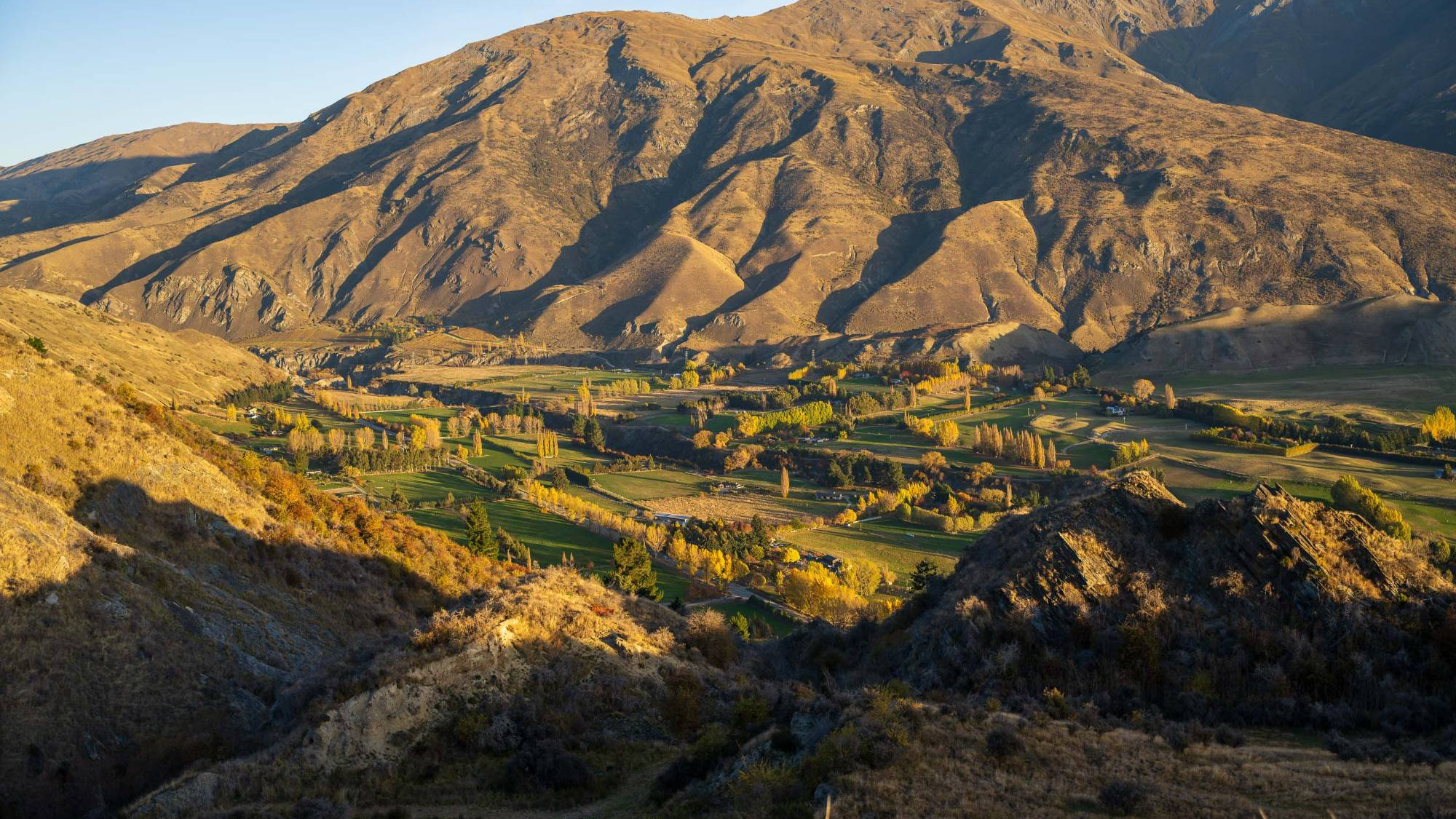
Wild rabbits have been beating New Zealand for 160 years. The dry country of Central Otago and the Mackenzie Basin is some of the best rabbit habitat on earth, and on it rabbits out-breed every control method the country has thrown at them. The result is a structural, recurring cost to the primary sector, measured in the hundreds of millions of dollars a year.
-
Bred to win
A female rabbit can be pregnant for 70 percent of the year and produce up to 50 young. Even a 90 percent knockdown rebuilds within a few seasons, so any serious solution has to be continuous rather than episodic.
-
A nine-figure bill
MPI's long-standing estimate was NZ$50M a year in lost production plus NZ$25M in direct control. Its 2020 update revised the total impact to nearly NZ$200M a year as rabbit numbers and sheep prices climbed.
-
Damage that compounds
Ten rabbits eat about as much pasture as one ewe. Burrowing strips fragile semi-arid soils and accelerates erosion, so the land itself degrades while the control bill repeats.
How we got here
-
1860s
Rabbits released for sport and skins take hold in the dry country of Otago. Within two decades they are a plague.
-
1880s
Farmers walk off the land. By 1887 more than half a million hectares of Otago farmland has been abandoned. One station, Earnscleugh, reckons 400,000 rabbits on ground that had carried 24,000 merino sheep.
-
1893
Rabbiting becomes an export industry: 17 million skins shipped in a single year, peaking at 20 million in 1924. The trade is finally banned in 1956 so that no one profits from keeping rabbits alive.
-
1952
Myxomatosis is released and fails. New Zealand has no insect vector to spread it, and regulators decline to import one.
-
1947-89
The rabbit board era: 185 local boards and a pound-for-pound subsidy hold numbers down with poison and shooters, until subsidies end and the boards are wound up. A NZ$28M land management program (1989-95) buys temporary relief.
-
1997
After regulators decline the RHDV calicivirus, farmers smuggle it in and spread it themselves, blender-mixed onto carrot bait. Kill rates top 90 percent in dense areas. Then immunity spreads.
-
2018
The K5 virus strain is legally released at over 150 sites. Otago's council reports a 47 percent average knockdown, ranging from zero to 80 percent by site. Within a year, numbers are climbing again.
-
Today
Landowners carry a legal duty to keep rabbit densities at or below level 3 on the Modified McLean Scale. Councils inspect and enforcement is tightening, but the toolkit remains poison, shooting, fumigation, and fencing.
What's been tried
Each tool below produces a knockdown. None of them holds it. The reasons why are, in effect, the product spec for whatever comes next.
-
Viral biocontrol
Myxomatosis failed in 1952. RHDV arrived illegally in 1997 and killed over 90 percent in dense areas before immunity spread. The K5 strain, released officially in 2018, averaged a 47 percent knockdown in Otago and faded within a year.
Buys years, not decades
-
Aerial poisoning
Carrot bait with 1080 or pindone is still the heavy hammer, at roughly NZ$150 per hectare with repeat treatments every few years. Bait-shy survivors restart the population, and social acceptance keeps shrinking near towns.
Recurring cost, shrinking license
-
Night shooting
Contractors already work through the small hours with thermal optics. It is skilled, labor-bound work, the survivors learn to avoid it, and the cost scales linearly with hours in the field.
Does not scale
-
Fumigation and ripping
Gassing or destroying warrens works locally but misses rabbits living above ground in rock and scrub, and cleared ground is recolonized from neighboring land.
Local and temporary
-
Fencing
Rabbit netting is expensive per kilometer, needs constant maintenance, and moves the problem to the other side of the wire. It protects an asset without removing a single breeding pair.
Containment, not control
-
Community culls
Central Otago's famous Easter hunt tallied over 10,000 rabbits in a single day at its peak, a rounding error against annual breeding, and it has not run consistently since 2018.
Symbolic at plague scale
Where physical AI fits
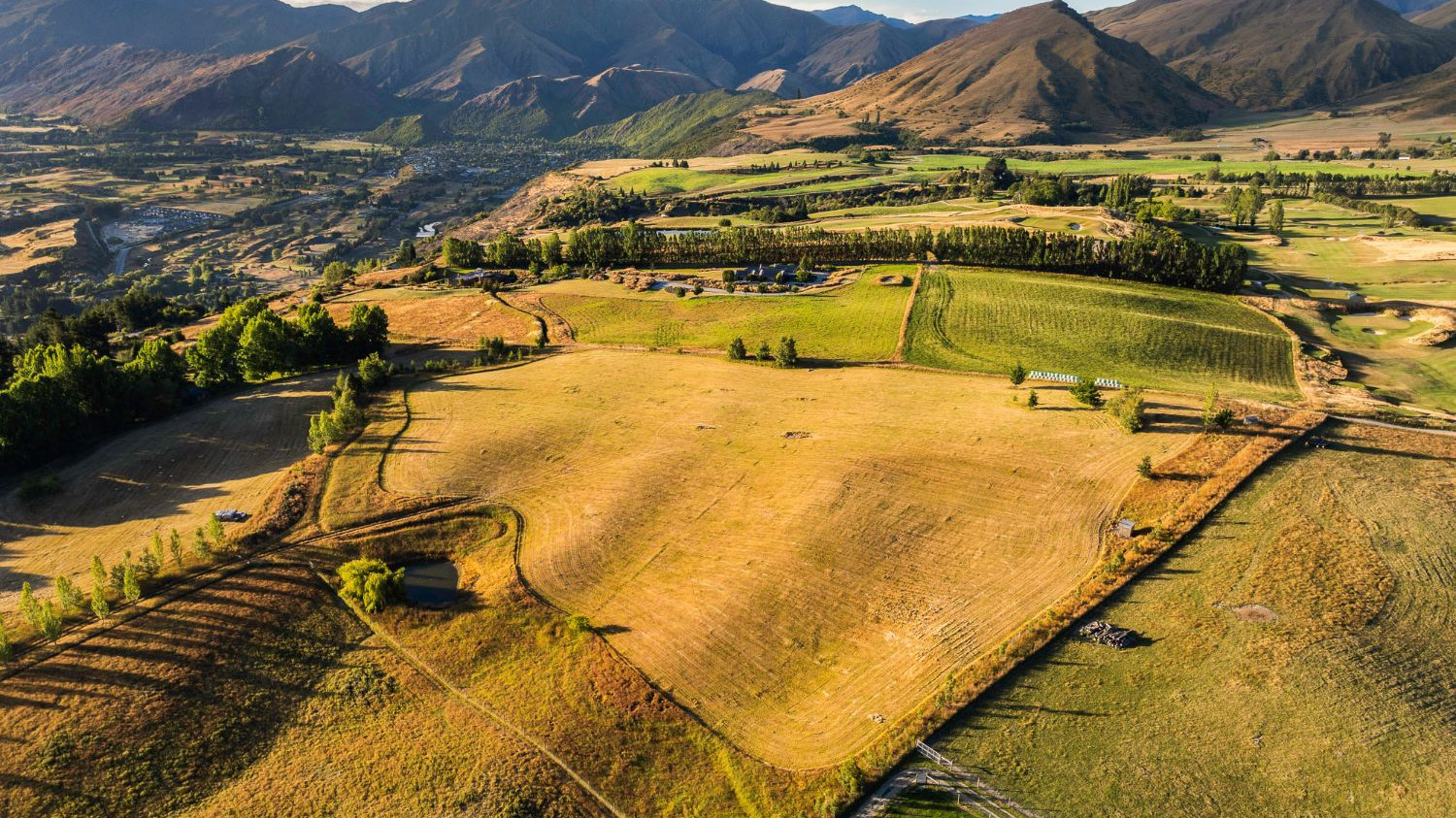
The terrain that makes rabbits unbeatable for humans is close to ideal for machines: open, semi-arid country, low tree cover, and a night-active pest that glows in thermal. The building blocks exist. Nobody has integrated them into a persistent, autonomous system.
-
Detection is the wedge
Councils still assess rabbit density with manual field inspections against the McLean scale, plus night counts on a few dozen routes. Autonomous thermal survey with machine classification turns that into continuous, compliance-grade density mapping, sellable to councils and landowners from day one.
-
Regulators have said yes before
New Zealand already fields NAWAC-tested automated traps, DOC ships an AI thermal camera, and Australia's Felixer showed AI target identification clearing regulatory review for lethal control. A pathway for humane, AI-triggered control exists under the Animal Welfare Act and NAWAC guidelines.
-
The airspace is opening
Civil Aviation rules effective December 2025 created a dedicated flight-test pathway for uncrewed aircraft R&D, designed to let exactly this class of agricultural autonomy fly, test, and certify in New Zealand.
-
Force multiplication, then autonomy
Start by making existing operations precise: warren mapping, targeted baiting, follow-up detection of survivors. Persistent ground and air platforms then close the loop human crews never could, by being there every night.
The government wants this to exist
New Zealand's current government has made technology-led growth an explicit national strategy and backs it with money. For a robotics company weighing where to build, the relevant parts stack up quickly.
-
A national growth agenda
The Going for Growth program (2025) names innovation, technology, and science as one of five pillars, with a stated goal of doubling export value by 2034.
-
A new advanced-technology institute
NZ$231M over four years to stand up the New Zealand Institute for Advanced Technology, a public research organization aimed at AI and advanced-technology commercialization.
-
R&D and capital incentives
A 15 percent R&D tax credit, plus Budget 2025's Investment Boost: an immediate 20 percent deduction on new plant and machinery with no cap on eligible spend.
-
Primary-sector co-funding
The NZ$246M Primary Sector Growth Fund co-invests in exactly this category: technology that lifts primary-sector productivity.
-
Precedent for pest-tech missions
Predator Free 2050 channeled public money into private pest-technology developers, and the NZ$27.5M national wallaby program shows the government funds coordinated vertebrate-pest campaigns. Rabbits sit outside both. That lane is open.
-
Capital is being invited in
Invest New Zealand launched in 2025 as a dedicated investment attraction agency, and the reset NZ$5M Active Investor Plus visa is pulling a multi-billion-dollar pipeline toward NZ technology companies.
The anchor project
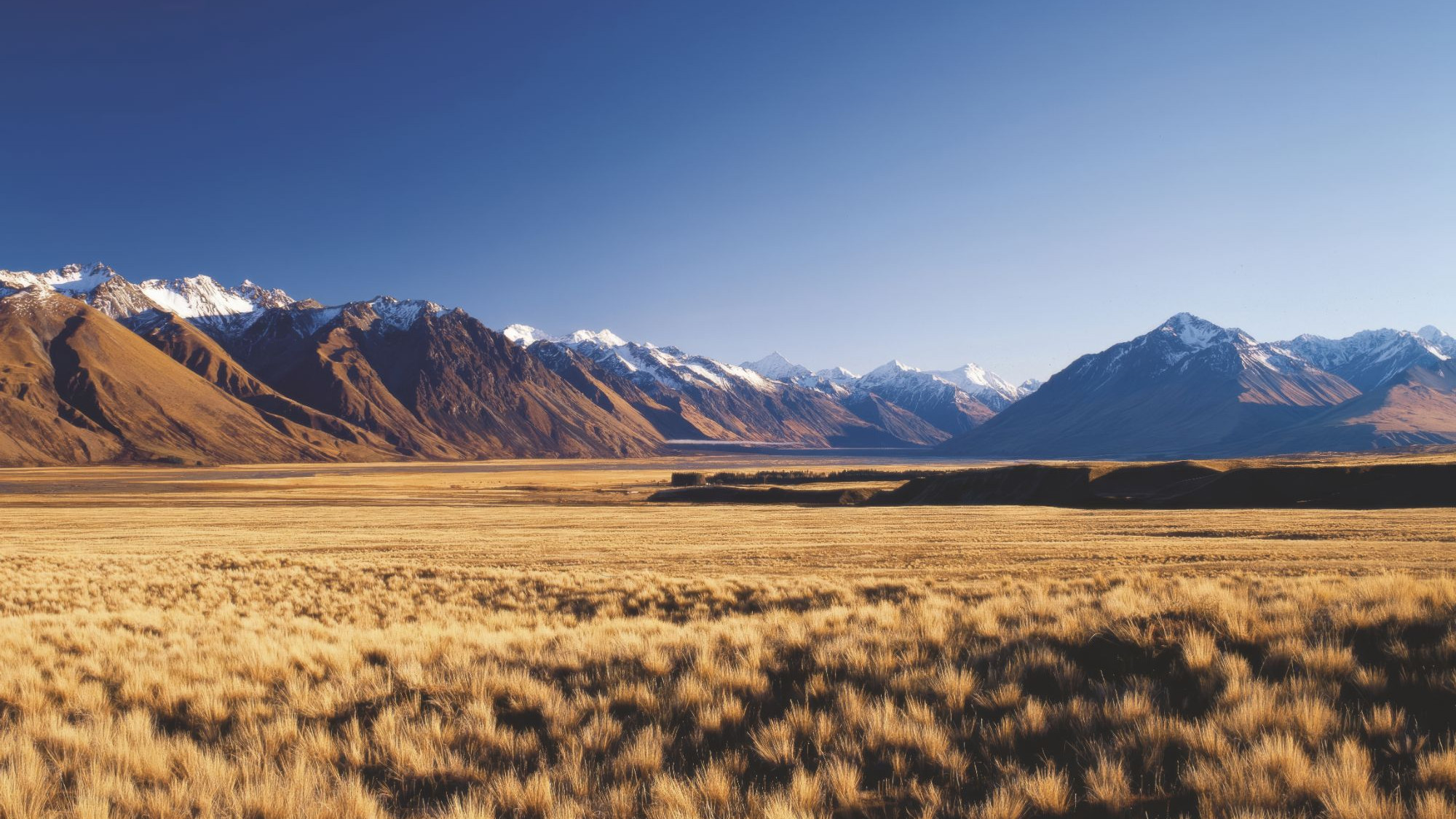
Rabbit control in the lower South Island is the kind of problem you can anchor a company on: hard enough to build a moat, funded enough to sustain a business, and legally guaranteed to persist.
What the anchor gives you
- Demand that cannot churn. Landowner control obligations are written into regional pest plans that run to 2029 in Otago and 2038 in Canterbury. The duty to spend does not expire when a budget cycle turns.
- Recurring revenue by design. Rabbits rebuild, so control is a subscription, not a sale. The existing spend already behaves like ARR. Today it buys labor and poison. It could buy uptime.
- A brutal, honest proving ground. Cold, dark, steep, off-grid. Autonomy validated here transfers to almost any agricultural market on easier terms.
- A data asset nobody has. Continuous rabbit-density maps of an entire region, with councils as motivated first customers for the compliance layer.
Where the platform goes next
- Adjacent species, same stack. Possum control under the TB program runs around NZ$60M a year, the wallaby program is funded at NZ$27.5M, and DOC spends roughly NZ$13M a year on deer, goats, and pigs.
- Australia. Roughly 200 million rabbits, agricultural losses above AU$200M a year, and biocontrol agencies openly planning for waning virus effectiveness.
- The wider market. Vertebrate control sits inside a global pest-control industry worth about US$27B and growing steadily.
- Every product you derive. Detection, mapping, targeting, and fleet operations built for rabbits generalize to agritech, biosecurity, and conservation work worldwide.
The ecosystem is here too. New Zealand produced Halter, Robotics Plus, and a dense conservation-tech scene, so the talent to hire and the partners to sell alongside already exist in-country.
The partner we're looking for
We bring the problem, the relationships, and the operating context. We are looking for one company to bring the engineering.
-
Robotics design & build
You have taken hardware and autonomy from concept to something that survives real fields, and you can show it working.
-
Field autonomy experience
Perception, navigation, and reliability in outdoor, unstructured, unforgiving environments. Thermal and night operations experience is a plus.
-
Appetite to commercialize
You want an anchor customer and a long program, and you plan to build a durable business on top of it rather than a pilot.
Build it with us
If your company designs and builds field robotics and you want a funded, durable problem to anchor on, we should talk. Tell us who you are and what you have shipped.
Key figures: MPI, Economic Costs of Pests to New Zealand (2020 update); Te Ara Encyclopedia of New Zealand; Otago Regional Council; Department of Conservation; NZ Government announcements (2025). Headline numbers are estimates compiled in August 2026. Confirm current figures before relying on them.
Photography © AugLabs.